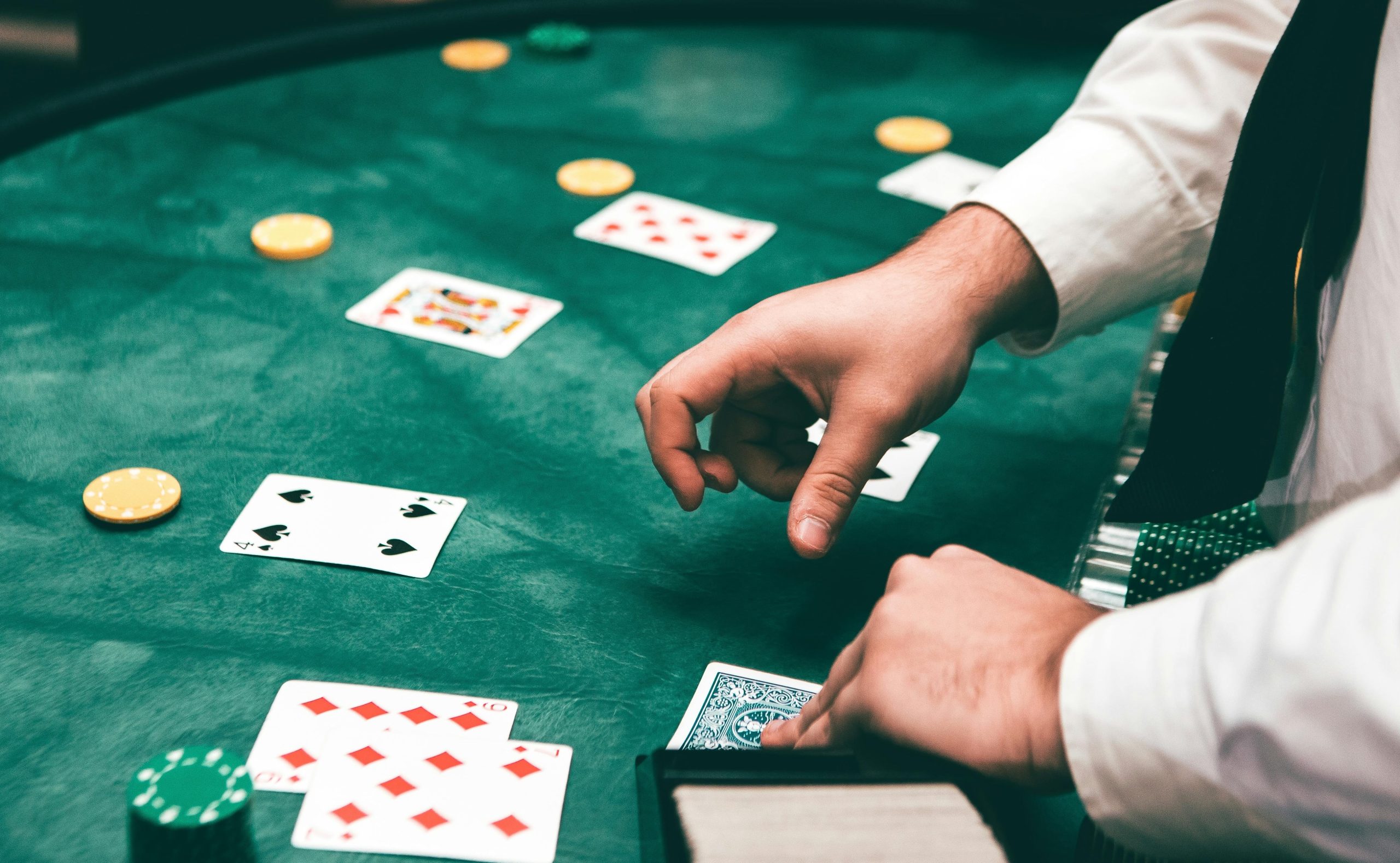
Bingo lingo refers to the specific set of terms, phrases, and slang expressions used to nickname numbers in a game of bingo. It adds to the overall fun experience and creates a strong sense of community among the bingo players.




Bingo is sometimes viewed as “the old people’s game”, but this can’t be farther from reality. Not only is it one of the most popular forms of gambling in the UK, right next to poker and blackjack, it’s also a fun game of chance with its very own language. If you’re learning how to play bingo, lingo terms may confuse you at first, but the more you get into it, the more interesting it becomes.
In this article we’ll dive into the origins of bingo lingo, take a look at some of the most common and funniest terms, and see if knowing the bingo slang helps you in the game.
There is a very good reason why bingo enjoys so much popularity. Its rule book is very simple. Each player buys one or multiple cards with numbers. Depending on whether you play online or in a bingo hall, the software or the presenter will call out the numbers randomly drawn from the pool. Your task is to keep a close eye on their calls, and if a number happens to be on your card, mark it.
Terms for winning will depend on the type of bingo you’re playing, but the general condition is that you have to cover a certain pattern on your card, for example, a full horizontal line, a corner, two full lines, or the entire card. The main skill you need to play bingo is a good attention span. The game is absolutely random and depends on chance, which also adds to its charm.
As many gambling games, bingo evolved to include several different types. While they’re still based on the same principle, there are variations in how many numbers are played, how the card grid is organised, and what pattern you have to complete to win.
The most popular types of bingo are the following:
Now that we’ve established the ground rules of bingo and what you need to do to win a round, let’s talk about something that sets bingo apart from any other gambling game. And that’s the bingo lingo!
But what is bingo lingo? Almost every game has its own terms that make the playing process more organised and easy to follow. While bingo also has its set of basic terminology, it doesn’t stop there. Once you start playing bingo, you’re going to discover a vibrant language full of puns, rhyming jokes, and much more.
Of course, before you dive into the fascinating world of “two little ducks”, “Kelly’s eye”, or “knock at the door”, learning the basics should be your first step. Everybody knows the “Bingo!” call that can be heard every time a player completes a line. Then there is “Four Corners!” that indicates the player has covered all corners of their card, “Ready!” to let everyone know you’re one number away from completing a bingo, and a triumphant “Full House!” when you cover all numbers on your card.
The real fun starts with the number calls. They add a layer of whimsy and good humour to the environment, and create a very special feeling of community between bingo players.
The origins of the English bingo lingo are deeply rooted in the British cultural tradition of rhyming slang, where a word or a phrase is substituted with another common or sometimes funny expression that rhymes with it. On the surface it might make no sense, but if you’re familiar with the slang rules, understanding the meaning will be a piece of cake.
Many bingo lingo names go as far back as the 1900s when bingo was a popular game in informal settings, most notably at seaside resorts. The lively atmosphere in which it was created greatly influenced the bingo lingo, producing amusing, tongue in cheek substitutes for bingo numbers.
A tradition still alive in some in-house bingo establishments is for the presenter to call the number, followed by the players chanting its lingo name. Sometimes the roles reverse, with the caller announcing the numbers with the respective slang, while players answer with the actual number.
As any language, bingo lingo kept evolving throughout decades. It kept many of its original rhyming number names but also created new ones. Some of them take inspiration from contemporary popular culture (Sunset Strip for 77, referring to a popular TV show of the late 1950s), others nod at the political scene (Will and Kate for 88, a more modern alternative for the number, namechecking members of the royal family).
Bingo is all about numbers, so it’s only natural that the bingo lingo also focuses on the main part of the game. Each number from 1 to 90 gets its own unique name. It may seem like a lot to remember, but once you learn how to play bingo, lingo names will start making a lot of sense.
Bingo lingo rules of creating names for every number follow several patterns. The most common one is rhyming. It turns number three into a “cup of tea” or eight into a “garden gate”.
The second one plays on visuals, finding resemblance between numbers and everyday objects. This method brought us “one little duck” instead of number two and “two fat ladies” instead of 88, for example.
The third one finds connections between numbers and other aspects of our lives or instances where these numbers are used. The most vivid example is number ten being called the “Prime Minister’s den”, referring to 10 Downing Street, the official residence of British Prime Ministers since 1735.
A lot of bingo number names will make you giggle the first time you hear them. Our personal all time favourites are:
New times, new names! Brought along by new cultural phenomena, political developments, or just changes in our daily lives, these names are still finding their footing in the game of bingo, but they’re as funny and catchy as their traditional counterparts.
With the introduction of a digital era in gambling, bingo went online. Online bingo often comes with chat rooms where players can communicate with each other.
While a lot of online lingo is no different from other chat slang (for example, “brb” for “be right back” or “ty” for “thank you”), some terms are specific to bingo.
As you can see, here it’s less about the spirit and more about online chat efficiency. You see the called numbers on the screen, so you don’t need special names to differentiate similarly sounding numbers the way you might in a crowded and noisy bingo hall.
But this doesn’t mean that online bingo is less fun! You can build your own bingo community online and have equal possibilities to win.
Understanding the bingo lingo isn’t about memorising rhymes. It’s an indispensable part of the game that allows you to fully immerse in the process and become a true member of the bingo community.
Even if it feels a little too much at the beginning, mastering the bingo lingo is akin to mastering any other language. The more you play, the easier the number names will roll off your tongue. Once you become fluent, you’ll appreciate the additional depth your bingo game acquires.
Bingo lingo refers to the specific set of terms, phrases, and slang expressions used to nickname numbers in a game of bingo. It adds to the overall fun experience and creates a strong sense of community among the bingo players.
The essential terms in bingo refer to various situations in the game when a player wants to announce their card status: “bingo” (completed line), “four corners” (completed corners on one card), “ready” (one number short of completing bingo), “full house” (covering all numbers on one card).
Knowing the bingo language will make your game smoother and faster. It’ll turn your game into a social event. However, it won’t help you win bigger or more often, as bingo is based purely on chance.
You need to know the essential terms to play efficiently. Knowing the slang names isn’t obligatory but it adds to the fun and helps you feel part of the bingo community. In some in-house halls numbers are sometimes called out by their slang names, so knowing them helps you not miss anything.
Most of the online bingo lingo comes from common chat abbreviations, but it also includes some bingo specific terms, such as “1tg” (indicating you only need one number to win) or “dabber” (virtual marker for marking your numbers on the card).
Yes, you can. Playing bingo online is no different from playing in a bingo hall in this regard. However, you should remember that it’s a game of chance, so there are no guarantees of winning.







We inform you that this website uses cookies. To consent, click the ‘Agree’ button or continue browsing. To learn more about our privacy policy, click here.